
Eight Symptoms of False Doctrine
Many things combine to make the present inroad of false doctrine peculiarly dangerous.
- There is an undeniable zeal in some of the teachers of error: their ‘earnestness’ makes many think they must be right.
- There is a great appearance of learning and theological knowledge: many fancy that such clever and intellectual men must surely be safe guides.
- There is a general tendency to free thought and free inquiry in these latter days: many like to prove their independence of judgment, by believing novelties.
- There is a wide-spread desire to appear charitable and liberal-minded: many seem half ashamed of saying that anybody can be in the wrong.
- There is a quantity of half-truth taught by the modern false teachers: they are incessantly using Scriptural terms and phrases in an unscriptural sense.
- There is a morbid craving in the public mind for a more sensuous, ceremonial, sensational, showy worship: men are impatient of inward, invisible heart-work.
- There is a silly readiness in every direction to believe everybody who talks cleverly, lovingly and earnestly, and a determination to forget that Satan often masquerades himself ‘as an angel of light’ (2 Cor. 11:14).
- There is a wide-spread ‘gullibility’ among professing Christians: every heretic who tells his story plausibly is sure to be believed, and everybody who doubts him is called a persecutor and a narrow-minded man.
All these things are peculiar symptoms of our times. I defy any observing person to deny them. They tend to make the assaults of false doctrine in our day peculiarly dangerous. They make it more than ever needful to cry aloud, ‘Do not be carried away!’
Notes
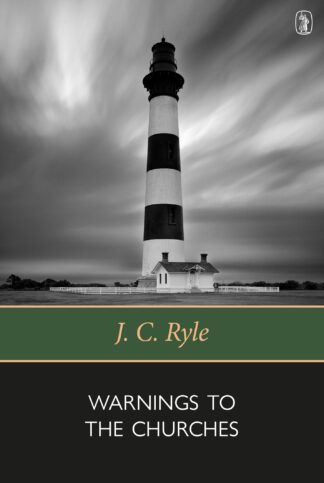
From J. C. Ryle’s Warnings to the Churches [Banner of Truth, 1967], ‘Divers and Strange Doctrines’, pages 76-77, with slight editing.
Latest Articles
Seven Rules for Catechizing 28 October 2026
In our interview with Dr Chad Van Dixhoorn, Behind the Scenes at the Westminster Assembly, he mentions the noted catechist[mfn]A catechist is one who teaches and trains others in the faith, often through a question and answer presentation of Christian truth.[/mfn] Thomas Lye (1621–1684) and his seven rules for catechizing. Here, in an accessible format, is […]
Reading the Psalms: A New Resource 12 October 2026
As Christians we believe that all Scripture is God-breathed and useful for teaching, rebuking, correcting and training in righteousness so that the man of God may be thoroughly equipped for every good work (2 Tim. 3:16), but that doesn’t mean that there aren’t particular books and sections of Scripture that we love even more than […]